
Schizophrenia
What Is Schizophrenia?
Schizophrenia is a complex brain disorder that affects how a person thinks, feels, and behaves. Individuals may experience psychotic symptoms—losing touch with reality—and may struggle with daily activities if untreated. According to the World Health Organization’s Schizophrenia Fact Sheet, this condition affects less than 1% of the population but ranks among the top causes of disability worldwide.
Signs and Symptoms
Symptoms usually begin in late adolescence or early adulthood and are grouped as follows:
| Symptom Category | Examples |
|---|---|
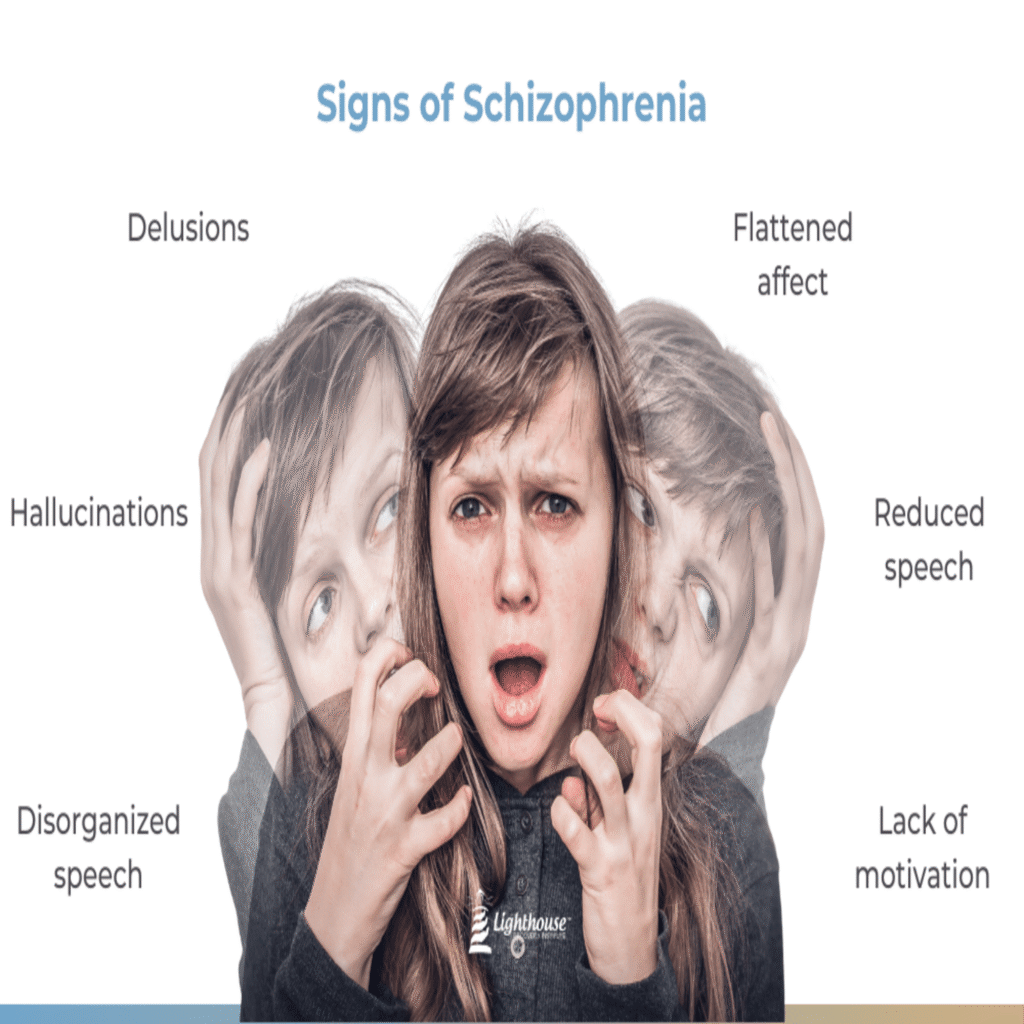
| Positive Symptoms | Delusions (fixed false beliefs), hallucinations (voices or visions), disorganized speech |
| Negative Symptoms | Reduced emotional expression, social withdrawal, lack of motivation or pleasure |
| Cognitive Impairment | Poor attention, memory problems, difficulty planning or organizing |
| Disorganized Behavior | Unpredictable or inappropriate responses, bizarre postures, agitation |
Types and Phases
Prodromal Phase: Subtle changes in mood, thinking, and social engagement before full-blown psychosis.
Active Phase: Clear psychotic symptoms appear—hallucinations, delusions, disorganized speech or behavior.
Residual Phase: Symptoms lessen; negative and cognitive symptoms may persist or fluctuate.
What Causes Schizophrenia?
No single cause exists. Risk factors include:
Genetic Predisposition: Family history increases likelihood, but specific genes are not solely determinative.
Neurobiological Changes: Altered levels of neurotransmitters (dopamine, glutamate) and brain structure differences (ventricular enlargement).
Environmental & Developmental: Prenatal exposures (infections, malnutrition), early childhood trauma or social adversity.
Substance Use: Heavy cannabis or amphetamine use can precipitate or worsen symptoms.
For an in-depth overview of risk factors, see WebMD’s article on Schizophrenia Causes.
How Is Schizophrenia Diagnosed?
Dr. Budhwar will perform:
Clinical Interview: Detailed history of symptoms, duration, and impact on daily life.
Psychiatric Assessment: Use of standardized tools (e.g., PANSS, DSM-5 criteria) to confirm diagnosis.
Medical Evaluation: Laboratory tests and imaging (MRI/CT) to exclude other neurological or medical conditions.
Treatment Options
Effective management combines medication, therapy, and support services:
1. Antipsychotic Medication
First-Line: Second-generation antipsychotics (e.g., risperidone, olanzapine) balance efficacy and tolerability.
Treatment-Resistant: Clozapine for persistent symptoms or suicidality.
Long-Acting Injectables: Improve adherence for patients with poor compliance.
2. Psychosocial Interventions
Cognitive Behavioral Therapy for Psychosis (CBTp): Addresses distorted thoughts and coping strategies.
Family Psychoeducation: Helps relatives understand illness and support recovery.
Social Skills Training & Supported Employment: Improve functioning and community integration.
3. Coordinated Specialty Care
For first-episode psychosis, multidisciplinary teams offer medication management, therapy, vocational support, and case management.
Self-Help and Support
Routine & Structure: Regular sleep, balanced diet, and scheduled activities.
Stress Management: Relaxation techniques (deep breathing, mindfulness).
Peer Support: Joining support groups to share experiences and strategies.
Psychoeducation: Learning about symptoms and treatment fosters empowerment.
When and How to Seek Help
Early intervention leads to better outcomes. If you or a loved one notice persistent changes in thoughts, perceptions, or behaviors, reach out:
Book an appointment with Dr. Budhwar
For questions, contact us
Explore more resources on our home page
Schizophrenia is treatable. With a personalized care plan and ongoing support, patients can achieve stability, reduce relapse risk, and lead meaningful lives.